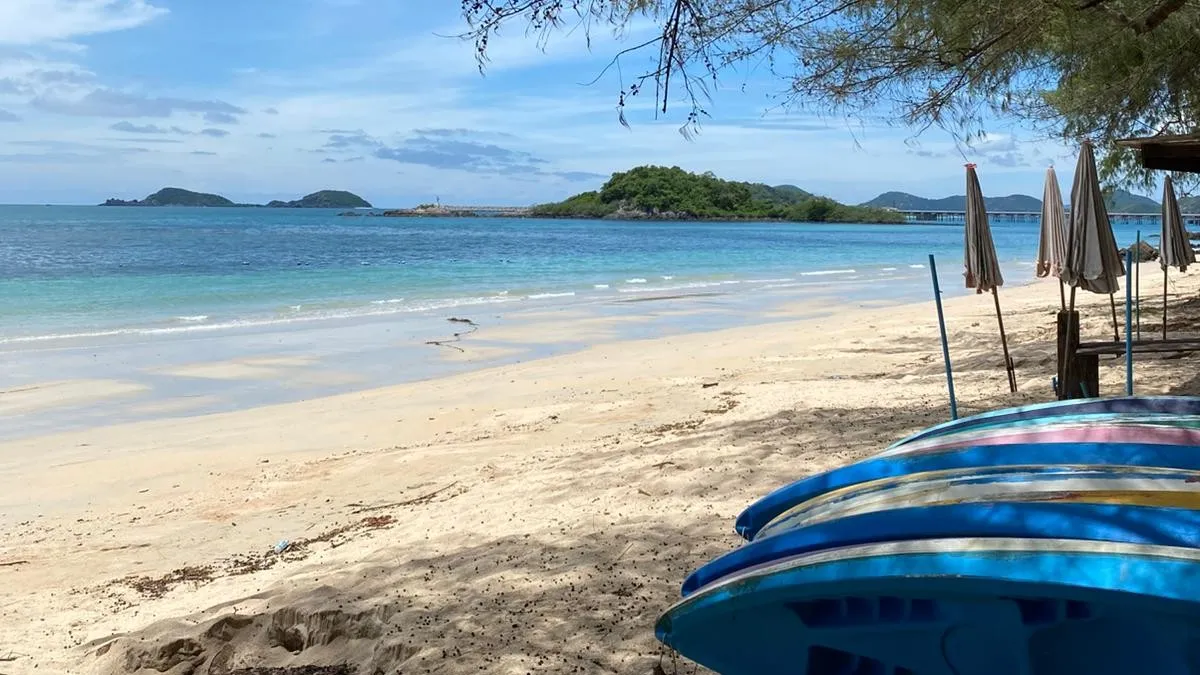
The first time I landed in Bangkok, three different taxi drivers quoted me three different prices. That’s the day I realized the most expensive thing in Thailand is showing up unprepared. This guide is my own version of a “survival plan,” built day by day from my own mistakes and the problems hundreds of my viewers have run into. It’s not organized hour by hour — it flows by logic: don’t get ripped off, don’t panic, and land your first week having adapted.
This isn’t a tourist brochure. It’s written from the perspective of someone who actually lives here, with real prices and real warnings.
Final Checks Before You Fly
Passport and Visa
Your passport needs at least 6 months of validity left and shouldn’t be visibly worn. As of 2026, citizens of 93 countries — Turkey included — can enter Thailand visa-free and stay up to 60 days; a further 30-day extension (1,900 THB, at the immigration officer’s discretion) is available from an immigration office. If you’re planning a longer stay, look into options like a tourist visa, DTV, or — if it’s for study — the ED visa ahead of time.
Money and Cards
It’s recommended to carry 500–1,000 USD in cash. For your first ATM withdrawal, 2,000–3,000 baht is enough — you don’t need to exchange everything at the airport. Carry at least 2 different bank cards, and check foreign withdrawal fees ahead of time; some banks will surprise you.
Must-Have Apps
Before you land, download: Google Maps (with offline maps downloaded), Google Translate, WhatsApp or Telegram, Grab, and XE Currency. You’ll be using all five constantly from day one.
Day 1: Getting Out of the Airport in One Piece
Passport Control
Keep these ready for passport control: your passport, return ticket (showing it on your phone is fine), hotel address, and travel insurance if asked. Keep your TDAC handy too — the officer may ask for it.
Baggage and Exit
Photograph your suitcase before you leave home — similar-looking bags get mixed up at airports all the time. When taxi touts approach you at the exit, a firm “No, thank you” is all you need.
Your First Currency Exchange
You don’t need to exchange all your cash at the airport. 2,000–3,000 baht is enough for the first day — exchange rates in the city center are usually better anyway.
Day 1: Getting From the Airport to Your Hotel or Pattaya
At the airport you’ll be approached by official airport taxis, minivan counters, private transfer companies, and independent people offering a “private taxi.” A typical fare from Bangkok to Pattaya runs 800–1,200 baht; offers well below that usually carry risk.
Day 1 Evening: Your First Night and Staying Safe
The five biggest mistakes people make on their first night: carrying all their cash in one place, mixing jetlag with alcohol, making expensive decisions on night one, leaving their passport and cash lying around, and trusting people they just met too quickly.
A safe first-night routine is simple: shower, rest, take a short (30-minute) walk to scout the nearest market and ATM, then go to bed early.
Day 2: SIM Card, Internet, and Staying Connected
A local SIM card is close to essential for calling Grab, using Google Maps, contacting your hotel or handling an emergency, and receiving banking verification texts. A quick comparison of the three main carriers:
| Carrier | Package | Data | Price | Note |
|---|---|---|---|---|
| AIS | Tourist 7 Days | Unlimited | 199 THB | Most popular, best coverage |
| DTAC | Happy Traveller | Unlimited | 149 THB | Balanced speed/price |
| TrueMove H | Tourist Package | Unlimited | 129 THB | Cheapest option |
You can get a SIM card at the airport (pricier but fast), at a carrier’s storefront in town, or at a 7-Eleven or FamilyMart. Bring your passport (a copy is often enough) and your hotel address.
Day 2: VPN and Digital Security
Public Wi-Fi networks aren’t secure, and doing banking over them is risky. On the free side, ProtonVPN and Windscribe stand out; on the paid side, NordVPN, ExpressVPN, and Surfshark are the common picks.
Day 3: Renting a Scooter and Exploring the City
In cities like Bangkok or Pattaya, taxis can add up fast; a scooter gives you freedom. Daily rental usually falls in the 200–300 baht range, but your risk profile changes depending on where you rent from:
| Option | Price/Day | Safety | Note |
|---|---|---|---|
| Hotel front desk | 250–400 THB | High | Easy but pricier |
| Street shop | 100–200 THB | Low | Cheap, but be careful |
| Online booking | 200–300 THB | High | Safest option |
When you pick up the scooter: record it on video, photograph any existing damage, check that you got 2 keys, confirm you received a helmet, and ask for the insurance documentation.
Days 3–7: Getting Around and Your Daily Rhythm
Grab is Thailand’s Uber — fixed prices, no haggling, and the safest option for tourists (typically 35–100 baht). Songthaews (the red, open-air minivans) are a more local experience — very cheap at 10–20 baht, and you get off by simply calling out “stop.”
A sample daily rhythm: breakfast and a short walk in the morning, exploring the city midday, resting and eating in the evening, and calling it an early night. Keeping it this simple for the first week helps your body adjust to the heat and the time zone.
Your First 7 Days: Rough Budget
A rough daily and weekly estimate by category:
| Category | Daily (THB) | 7 Days (THB) |
|---|---|---|
| Accommodation | 600–1,500 | 4,200–10,500 |
| Food | 300–800 | 2,100–5,600 |
| Transport | 100–300 | 700–2,100 |
| Activities | 200–500 | 1,400–3,500 |
Visa Extension Options (Quick Overview)
If your first week ends and you decide to stay longer, you’ve got a few options: extend your 60-day visa exemption by another 30 days at an immigration office for 1,900 THB, apply for an e-Visa in advance, or — if your purpose is study — move to a longer-term option like the ED visa. I cover that in more depth in my ED visa guide.
Final Word
This guide isn’t meant to scare you — it’s meant to help you start out calm and safe. Thailand rewards patience: the first few days can be a bit rough, but everything after that is genuinely enjoyable. If you spot something missing, let me know, and if this helped, pass it along.
Contents
- Final Checks Before You Fly
- Passport and Visa
- Money and Cards
- Must-Have Apps
- Day 1: Getting Out of the Airport in One Piece
- Passport Control
- Baggage and Exit
- Your First Currency Exchange
- Day 1: Getting From the Airport to Your Hotel or Pattaya
- Day 1 Evening: Your First Night and Staying Safe
- Day 2: SIM Card, Internet, and Staying Connected
- Day 2: VPN and Digital Security
- Day 3: Renting a Scooter and Exploring the City
- Days 3–7: Getting Around and Your Daily Rhythm
- Your First 7 Days: Rough Budget
- Visa Extension Options (Quick Overview)
- Final Word
Frequently Asked Questions
How many days can I stay in Thailand without a visa?
Can I drink the tap water?
How's the internet speed?
Is there a Turkish community in Pattaya or Bangkok?
If this guide helped you out
Related Guides
 Visas & Bureaucracy
 Thailand ED Visa Guide: Long-Term Stay Through Education
How long can you stay in Thailand on an ED (education) visa, what documents do you need, and how does the 90-day report work? Current 2026 rules and real risks.
 Travel & Islands
 Thailand Tourist Traps and Scams: What to Watch For
From the fake 'temple is closed' line to jet-ski damage scams and fake visa agents to inflated nightclub bills — common Thailand tourist traps explained.